
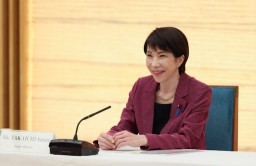
Japan has announced the largest strategic oil reserve release in its history, with Prime Minister Sanae Takaichi confirming that approximately 80 million barrels will be directed to domestic refiners this week. The volume equals 45 days of Japan’s domestic oil demand. It is part of a broader emergency response that includes a previously approved 15-day release of private-sector stocks. The US-Israel conflict with Iran has created serious risks to oil shipping through the Strait of Hormuz, which handles more than 90% of Japan’s crude imports.
The scale of Japan’s response reflects both the depth of its energy dependency and the quality of its crisis management infrastructure. Takaichi told US President Trump that Japan’s constitution precludes a military response and pledged diplomatic engagement instead. The prime minister described Middle East stability as of vital importance to Japan and the world. Her government has moved decisively across multiple policy fronts to address the crisis.
This drawdown is 1.8 times larger than the emergency release following the 2011 Fukushima disaster. Japan’s remaining reserves stand at roughly 470 million barrels — about 254 days of domestic consumption. Officials are satisfied that the release is sustainable and that the reserve buffer remains robust. The government is ready for further emergency action if the regional situation worsens.
Retail gasoline prices reached a record ¥190.8 before the government introduced subsidies fixing the cap at ¥170. These are reviewed weekly to stay in step with oil market trends. Consumer protection analysts say the policy is an important safety net during the crisis. The government’s willingness to maintain both supply and price stability has been broadly welcomed.
Social media fears about toilet paper and household goods shortages prompted the trade ministry to issue a public advisory. Officials confirmed that 97% of Japan’s toilet paper is produced domestically from recycled materials and has no dependence on oil imports. The paper industry association confirmed supply is stable. Japan’s government is managing two interrelated challenges — real energy insecurity and public psychological anxiety — with equal seriousness and an even hand.