
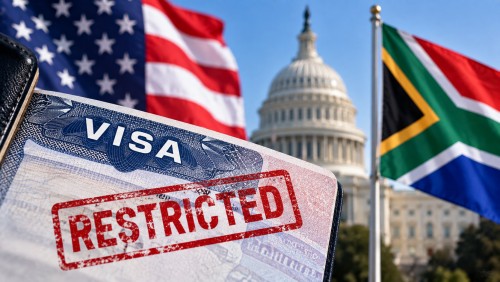
Tensions in U.S.-South Africa relations have taken a new turn as Washington imposes visa restrictions on certain foreign nationals connected to South Africa. The United States cites concerns surrounding race-based policies and land reform as the impetus for these measures, which target individuals believed to be involved in activities that could incite violence against minority groups.
Announced by U.S. Secretary of State Marco Rubio, the restrictions are specifically aimed at individuals associated with implementing policies that the U.S. argues promote racial discrimination, enable uncompensated land seizures, or incite imminent violence. While not a blanket ban on all South African citizens, the move is part of broader immigration provisions that allow restrictions when an individual’s presence is considered detrimental to U.S. foreign policy interests.
Washington’s concerns particularly focus on South Africa’s Broad-Based Black Economic Empowerment policies, the Expropriation Act, and certain political rhetoric believed to exacerbate racial tensions. These issues have been a point of contention between the two countries, contributing to a series of disagreements over land reform, race-related policies, trade, and South Africa’s foreign policy stances.
South Africa, however, defends its policies, asserting that they are intended to rectify the inequalities left by apartheid. According to Pretoria, the land reform and economic empowerment measures are essential for addressing historical disparities and do not specifically target white citizens.
While the new visa restrictions have been announced, the U.S. State Department has yet to specify which individuals will be affected. The determination of who falls under the scope of these restrictions is expected to follow, further complicating the diplomatic dialogue between the two nations.