
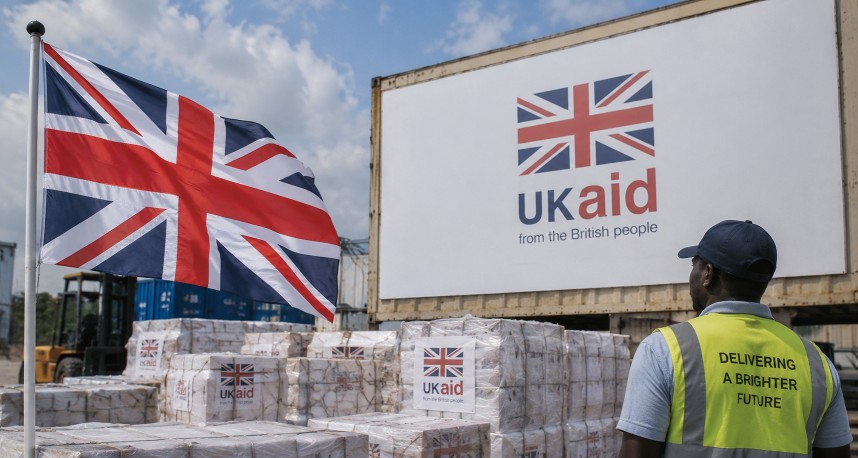
The UK government plans to substantially cut bilateral foreign aid to several African nations over the coming years, marking a significant shift in its development spending strategy. This adjustment will see aid to countries such as Mozambique and Malawi decrease by up to 90% by the year 2029. Additionally, Rwanda and Sierra Leone are set to experience reductions of approximately 80%, while Somalia could witness a decrease of nearly 50% in aid.
This decision is part of a broader strategy by the government to channel more funds through multilateral organizations like the World Bank. Officials argue that this method will enhance the efficacy of development assistance and align with the UK’s agenda to bolster defense spending. The government maintains that despite these changes, it is still dedicated to tackling global challenges through upgraded international partnerships and focusing resources where they can yield the greatest impact.
However, aid organizations have expressed concerns over the potential consequences of this move. They caution that these cuts could jeopardize humanitarian initiatives, efforts to alleviate poverty, and support for communities grappling with conflict, climate change, and health crises. Critics argue that reducing direct assistance risks undermining the long-standing development partnerships that the UK has established across the African continent.
As the UK gears up to assume a more prominent role in global economic cooperation, these revised aid allocations have sparked renewed discussions about the future trajectory of its overseas development policy. The government continues to assert that redirecting aid through multilateral channels will ultimately enhance the effectiveness of its contributions on the international stage.