
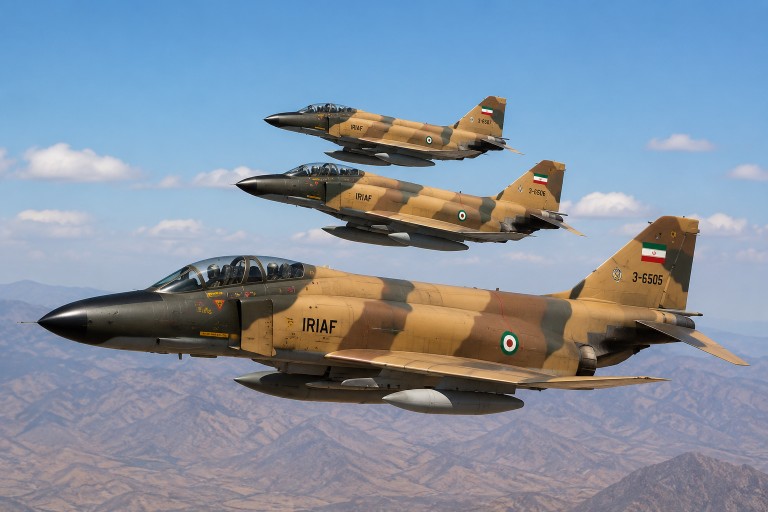
Escalating tensions in the Middle East have been marked by Iran’s missile and drone offensives against Bahrain and Jordan, a direct reaction to recent U.S. military actions targeting Iranian sites. The United States had initiated these strikes on Iranian port cities, notably Bushehr and Bandar Abbas, with the stated objective of diminishing Iran’s capacity to threaten commercial maritime routes in the region.
Iran’s counterattack aimed at Bahrain and Jordan underscores the strategic significance of these locations—Bahrain hosts the U.S. Navy’s Fifth Fleet, while Jordan accommodates various U.S. military assets. Reports from Bahrain indicate a successful interception of several incoming threats, and Jordan similarly thwarted multiple missiles before they could cause damage.
This back-and-forth has reverberated through the region, notably impacting the security of the Strait of Hormuz. The strait, a vital artery for global energy shipments, saw two commercial tankers come under attack, stoking fears about the safety of this crucial passageway for oil exports.
The current hostilities have not only sparked concerns of a broader regional conflict but have also posed significant challenges to ongoing diplomatic efforts aimed at de-escalating tensions. In light of the heightened security risks, international aviation bodies have issued advisories for airlines to steer clear of certain Gulf airspaces.
Market reactions have been swift, with crude oil prices experiencing an uptick as traders keep a close watch on the deteriorating security situation around the Strait of Hormuz, which remains a linchpin in the global oil supply chain.