
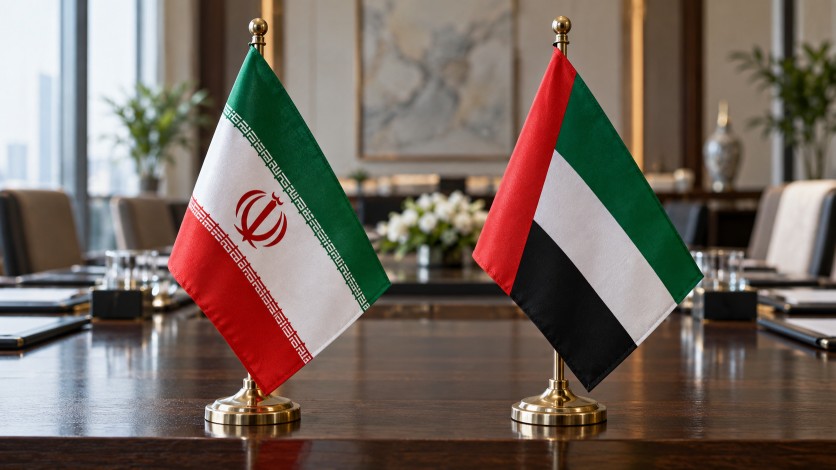
Iran has issued a stark warning to the United Arab Emirates and other regional nations regarding the potential risks associated with Israel’s increasing influence in the Middle East. This caution follows Israeli Prime Minister Benjamin Netanyahu’s visit to Abu Dhabi on September 27, where he held discussions with UAE President Sheikh Mohamed bin Zayed Al Nahyan.
During the visit, Netanyahu and Sheikh Mohamed explored topics related to bilateral relations and regional challenges. However, Iran’s Foreign Ministry expressed strong disapproval of the meeting, emphasizing what it termed the “highly dangerous consequences” of Israel’s expanding presence in the region. Tehran urged neighboring countries to exercise vigilance concerning deeper Israeli engagements and cautioned against allowing their territories to become platforms for activities that could disrupt regional stability.
This development occurs against a backdrop of escalating tensions between Iran and Israel, with the broader Gulf region witnessing ongoing diplomatic and security dynamics. Iran’s message reflects its apprehensions over Israel’s strategic moves and the potential implications for regional geopolitics.
The UAE confirmed the meeting between the two leaders, highlighting the importance of fostering dialogue amidst regional challenges. Despite Iran’s warnings, the UAE and Israel have continued to build on the Abraham Accords, which saw the normalization of relations between Israel, the UAE, and several other Arab nations in 2020.
As the situation unfolds, the focus remains on how regional actors, including Iran, the UAE, and Israel, navigate these complex diplomatic landscapes. Iran’s call for caution underscores the intricate balance of power and the sensitive nature of alliances in the Middle East.