
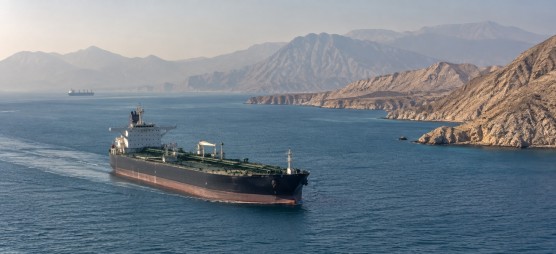
The Strait of Hormuz, a vital channel for global energy supplies, remains at the heart of escalating tensions between Iran and the United States. Amid these strained relations, Iran has proposed reopening the strait within a week if the U.S. agrees to reduce its military presence and lift the blockade on Iranian ports, according to a senior Iranian official.
This proposal was reportedly delivered to the U.S. via intermediaries on September 16 and emphasizes a diplomatic resolution to the ongoing dispute. Iran has expressed willingness to discuss the matter further through mediators at the United Nations General Assembly in New York, although no direct meeting between Iranian President Masoud Pezeshkian and U.S. President Donald Trump has been scheduled.
President Pezeshkian has traveled to New York for the General Assembly, signaling Tehran’s readiness for renewed diplomatic negotiations with the U.S. The Iranian delegation carries the authority to engage in discussions aimed at easing tensions and potentially resolving broader issues, including concerns over Iran’s nuclear program.
The U.S. Secretary of State, Marco Rubio, has indicated Washington’s openness to dialogue with Iranian officials during the UN meeting. However, he stressed that any engagement would focus on preventing Iran from acquiring nuclear weapons, a critical concern for the U.S. administration.
With both nations under pressure to de-escalate the situation, the diplomatic overtures come at a crucial time. The reopening of the Strait of Hormuz is contingent on a decrease in U.S. military activities, a condition Iran has linked to ensuring security in the region and beyond. This development underscores the broader geopolitical implications of the strait’s closure and the necessity for a peaceful resolution to the impasse.