
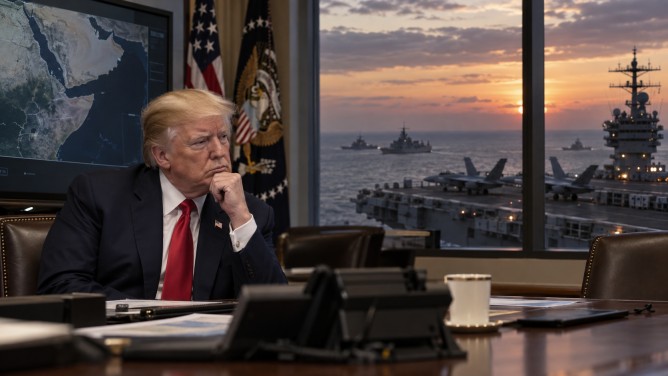
The ongoing conflict in Yemen has seen another twist as the United States deliberates over its military involvement. The conflict, characterized by heightened tensions and violence, has drawn international attention due to its implications for regional security and energy supplies. With the Iran-backed Houthi rebels intensifying attacks against Saudi interests, pressure has mounted on the United States to take decisive action in support of its ally, Saudi Arabia.
Despite preparations by US forces for potential airstrikes against Houthi targets, President Donald Trump has postponed any immediate military action. This decision follows consultations with Saudi Crown Prince Mohammed bin Salman, who has been a vocal advocate for US intervention. While the Pentagon had moved forward with military preparations, including the approval of target lists and the preparation of warplanes, the administration has opted to hold off on executing strikes for the time being.
This delay in military action comes amidst broader US engagements in the region, particularly concerning the ongoing conflict with Iran. Some US officials have expressed reservations about opening another front, fearing it could overextend American military resources. The complexity of the conflict, coupled with past unsuccessful attempts to force a strategic shift in the Houthis’ stance through military means, adds to the caution surrounding any prospective operations.
The Houthis have been embroiled in a protracted battle against Yemen’s internationally recognized government, which receives backing from Saudi Arabia. The resurgence of hostilities has exacerbated concerns over the security of the strategic Red Sea and the Bab al-Mandab Strait, both crucial corridors for global trade and energy transportation.
As the situation remains fluid, US officials and experts continue to evaluate the potential effectiveness of airstrikes, weighing them against diplomatic efforts and the broader strategic objectives of stabilizing the region. The international community watches closely, aware that any escalation could have far-reaching consequences beyond the immediate theatre of conflict.